
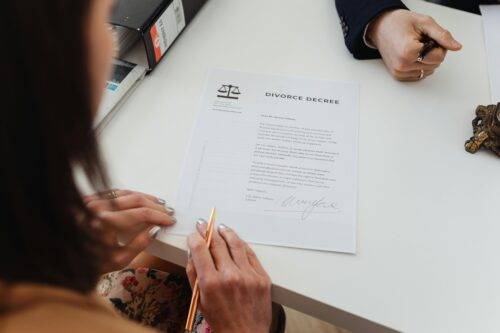
What Topics Can Divorce Mediation Resolve in New Jersey?
If you’re filing for divorce and want to avoid the hassle of litigation, it’s important to understand which topics mediation can resolve. Continue reading and work with an experienced Morristown, New Jersey divorce attorney today.
What is Divorce Mediation?
Mediation is an ADR (alternative dispute resolution) process. It is essentially a structured conversation where a neutral third party, the mediator, helps two or more people resolve a dispute. Think of it as bringing in a professional problem-solver. The mediator doesn’t take sides or make decisions for the parties. Instead, their job is to guide the discussion, help everyone understand each other’s perspectives, and explore potential solutions. It’s a voluntary and confidential process that gives the people involved more control over the outcome than going to court. The goal is to reach a mutually agreeable settlement tailored to the specific circumstances.
Mediation is often used for divorce cases in New Jersey. This helps the spouses negotiate a settlement privately and resolve issues outside of court, which can save time and money. While often voluntary, NJ courts sometimes mandate mediation for certain issues before the case proceeds to trial.
What Topics Can Divorce Mediation Resolve in NJ?
Mediation in a New Jersey divorce can address nearly every issue that would otherwise be decided by a judge. The process is designed to give spouses the flexibility to create a settlement agreement that reflects their unique family and financial situation. Resolving issues through mediation allows for more creative and personalized solutions than those dictated by standard court rulings.
Important topics commonly resolved in New Jersey divorce mediation include:
- Property and debt division: Determining what constitutes marital property and marital debt, how to value assets, and establishing an equitable distribution of these assets and liabilities between the spouses.
- Alimony: Negotiating the amount, duration, and type of spousal support (if any) to be paid from one spouse to the other, considering factors like the length of the marriage and each party’s financial need and ability to pay.
- Child custody: Developing a parenting plan that covers both legal custody and physical custody.
- Child support: Calculating the appropriate financial contributions each parent will make for the child’s care, typically following the New Jersey Child Support Guidelines but allowing for agreed-upon alterations for specific expenses like healthcare, education, or extracurricular activities.
All of these issues can be decided by the couples through mediation. If left unresolved, a judge will make the final decision.
Does the Court Have to Approve Mediation Decisions?
Yes, any agreement reached through divorce mediation in New Jersey must be formalized and approved by the court. The mediator does not have the authority to issue legally binding orders. The decisions are documented in and then drafted into a formal, legally enforceable Marital Settlement Agreement (MSA) by the parties’ attorneys.
When the final divorce is presented to the judge, the MSA is submitted for review. The judge ensures the agreement complies with state laws and is in the best interests of any children involved. Once the judge signs the Final Judgment of Divorce incorporating the MSA, the mediated decisions become legally binding court orders.